01 / ROOFING
Keep the weather out.
Leaks, flashing and roof condition. Follow the evidence before choosing a repair.
Explore roof problems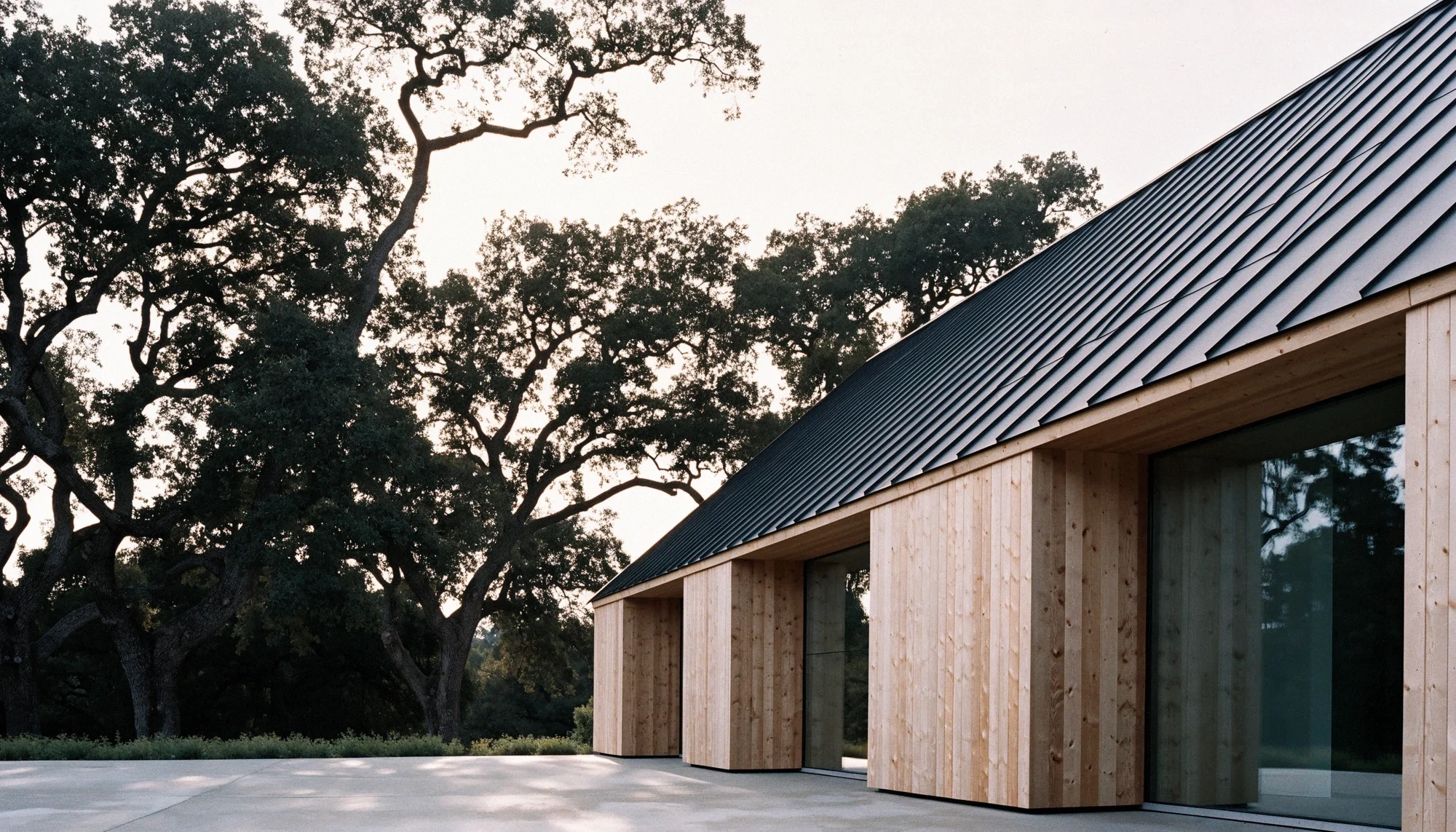
ROOFING / DRAINAGE / PROJECT PLANNING
From the first ceiling stain to the final walkthrough. Clear explanations for the decisions that protect your home.
Good work begins
with good questions.
01 / START WHERE YOU ARE
A visible problem is a starting point. Explore the details, possible causes and questions that help you choose a sensible next step.
Leaks, flashing and roof condition. Follow the evidence before choosing a repair.
Explore roof problemsGutters, downspouts and yard drains. Connect the water source to a suitable outlet.
Explore drainageShingles, metal and tile. Compare the assembly beneath the surface you see.
Compare roof systems02 / BEFORE THE WORK BEGINS
The most useful part of a quote is what it makes clear. Start with the scope, the evidence and who is responsible for each detail.
Plan your projectRemoval, flashing, decking allowances and cleanup belong in the conversation.
Compare roofing bidsDefine how hidden damage, changes and workmanship concerns will be documented.
Understand change ordersAsk about permit closeout, inspection records, warranties and the final walkthrough.
Prepare for the walkthrough03 / UNDERSTAND THE ASSEMBLY
A roof is a connected system. Select a component to understand its job and a useful question to ask about it.
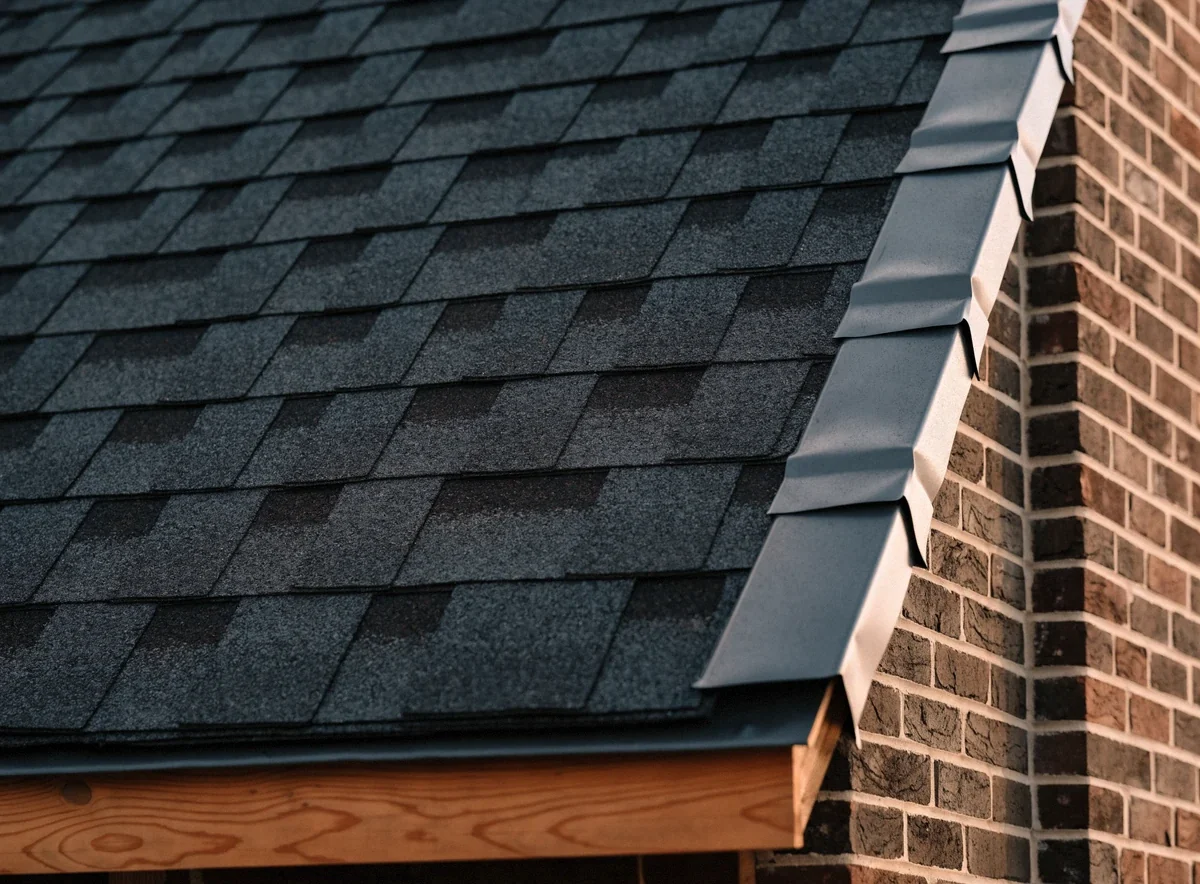
Shingles, tiles or metal panels form the exposed surface. The covering sheds rain and takes the direct impact of weather.
Ask: Is this material suitable for my roof’s slope?
04 / FROM THE COMMUNITY
These concerns sparked substantial discussion on Reddit. We connect the question to practical next steps and reliable sources.
All homeowner questionsQuestions reviewed October 25, 2026. How we select and check questions.
Photograph the damage and compare it with any dated images taken before work began. Send the contractor a concise written list of the locations and ask for a written repair proposal. Keep the contract, messages and inspection records together; appearance alone does not establish the full repair scope.
Technical or official context: CSLB: construction complaints.
They can reduce some debris, but results depend on the screen, nearby trees and roof runoff. The discussion includes both satisfied owners and reports of clogging. Ask how the system handles heavy rain, how it is cleaned and whether outlets remain accessible. A guard does not replace a drainage inspection.
Technical or official context: PNNL: gutters and downspouts.
Address the wet building before treating this as a cosmetic paint problem. Document affected rooms and ask for an assessment of wet materials and a drying plan. EPA guidance emphasizes drying water-damaged areas within 24–48 hours to prevent mold growth. The appropriate repair scope needs evidence of where the water went.
Technical or official context: EPA: moisture and water-damaged materials.
Ask for a condition report that separates the leak source from wear elsewhere on the roof. Compare a documented repair scope with a replacement scope, including vulnerable transitions and surrounding materials. Age or a few photos alone cannot establish the right decision for an entire roof.
Technical or official context: PNNL: existing-roof flashing details.
They may describe different jobs. Compare removal, materials, flashing, decking allowances, permits, protection, cleanup and warranty terms line by line. Ask each bidder to explain exclusions and how additional work is priced. A detailed written scope makes the prices more meaningful.
Technical or official context: CSLB: what a California contract should describe.
Skyline is an independent educational guide to roofing, drainage and project planning. We do not provide contracting services or represent the former business associated with this domain.
The examples and imagery explain general topics; they are not records of completed customer projects or instructions for a specific property. Keep observations to safe, accessible areas and leave roof access to a qualified professional.
How we research the guides
