A home inspection is an assessment with a defined scope, access limits, and conditions on the inspection day. Read how the roof was observed and what was excluded, then obtain a specialist assessment when the findings or missing access leave a consequential question unanswered.
Read the method, not only the summary
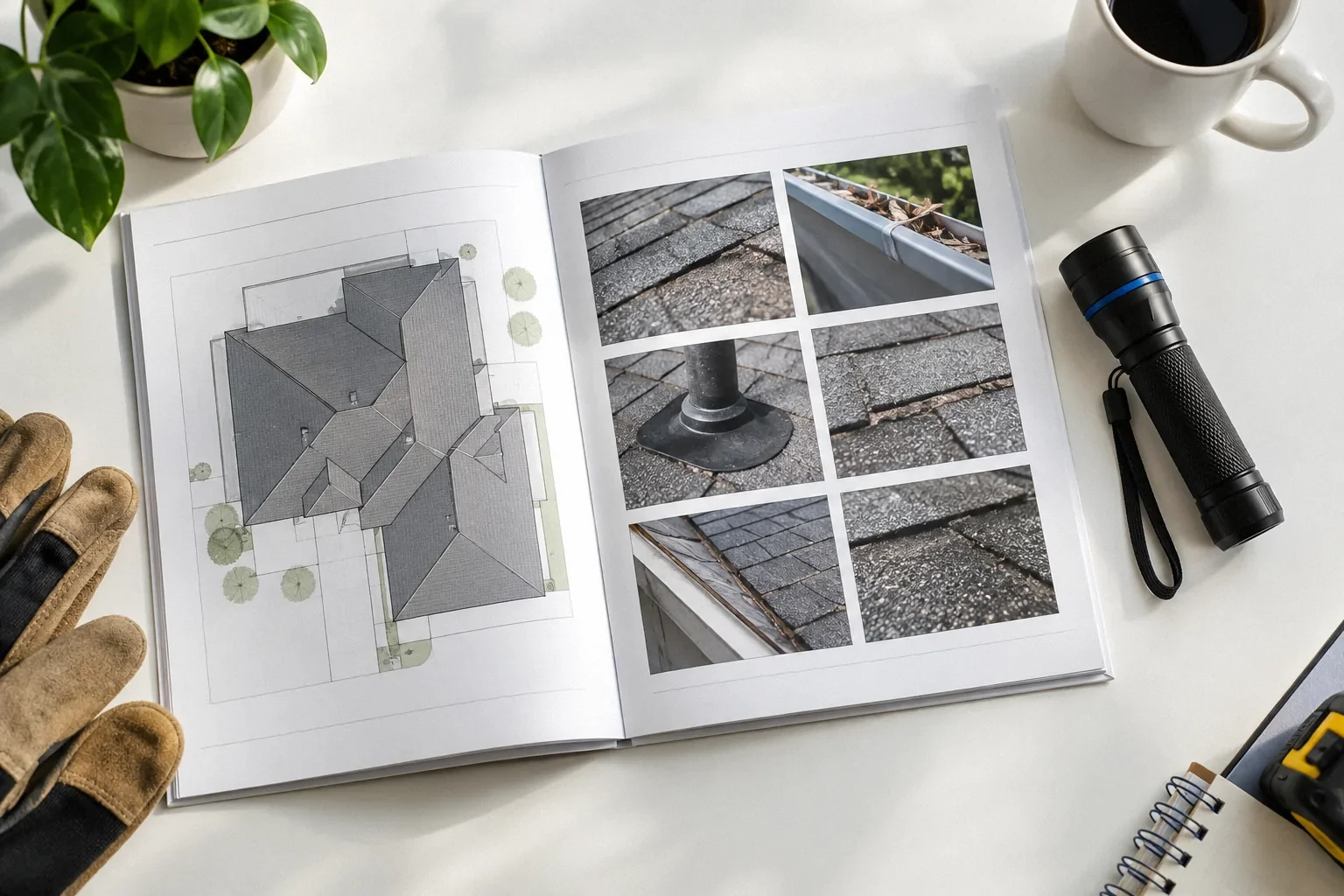
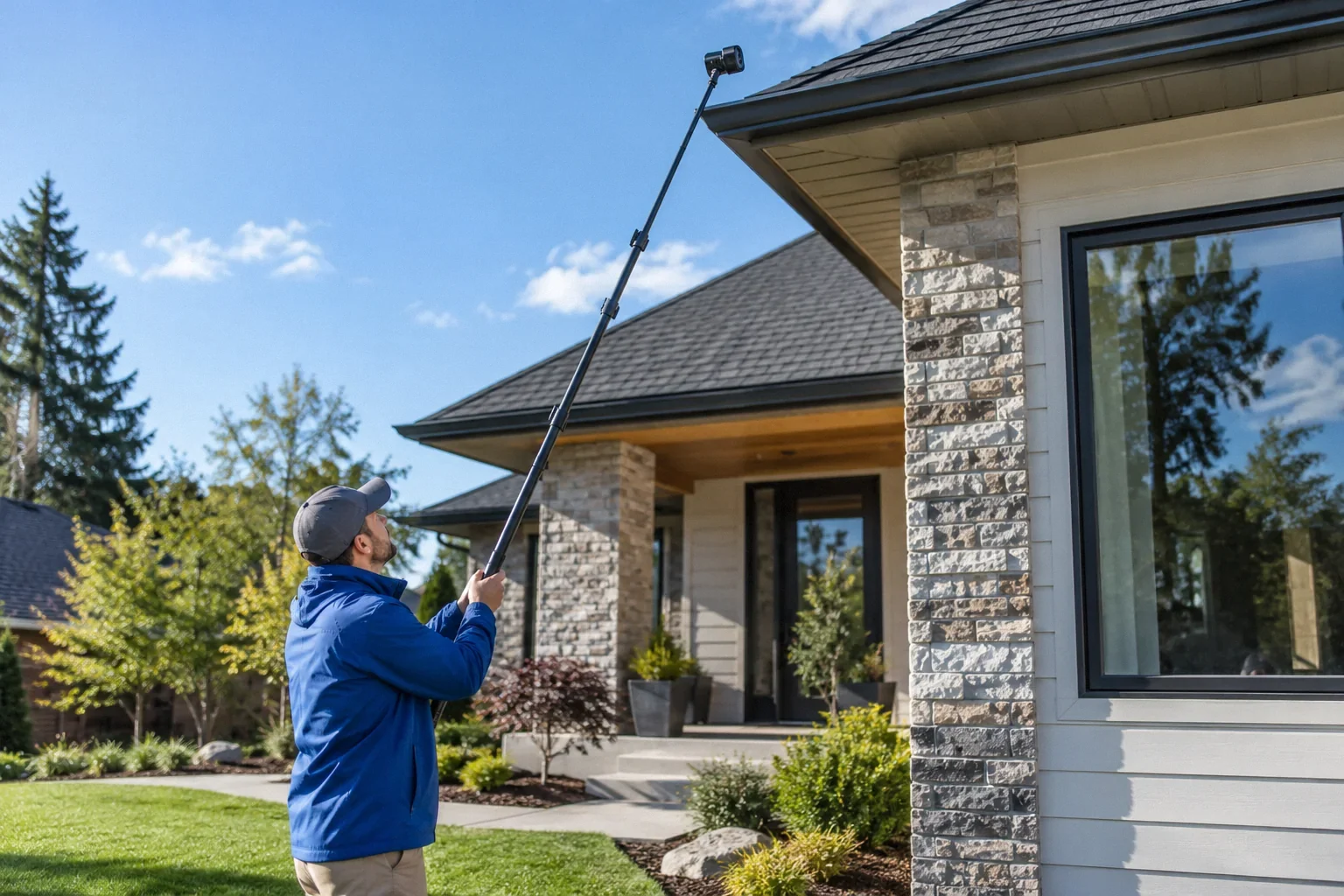
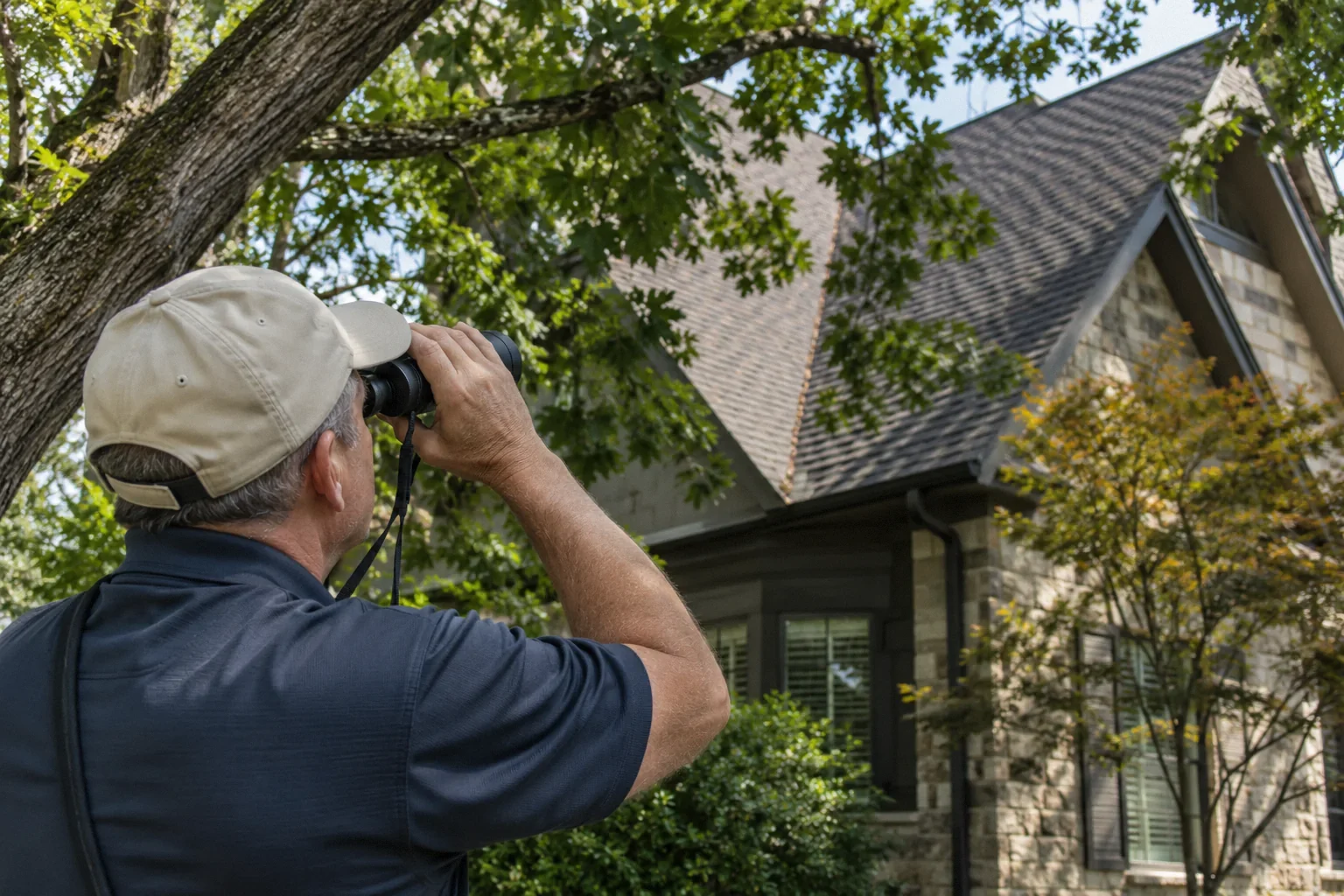
Find whether the inspector observed the roof from the ground, a ladder, a drone, accessible roof areas, or another method. Read the limitations and photographs. A summary saying the roof appears serviceable may mean something narrower than 'every flashing and concealed layer was examined.' Ask the inspector to explain the report's actual conclusion.
ASHI's standard describes the roof inspection scope and requires the method of observation to be reported. Ask which standard and agreement govern your inspection rather than assuming every inspector offers identical access or testing. [2]
Consider the weather at the time
An intermittent leak may not be active during a dry inspection. Rain direction, duration, and wind can change where water enters. That does not automatically excuse a missed visible defect or prove negligence. It explains why a one-day observation cannot establish performance under every later condition.
Recognize concealed layers
Roof coverings hide underlayment, portions of flashing, deck condition, and attachment details. Finished ceilings and insulation can restrict the view from below. A noninvasive inspection generally cannot establish every hidden condition. Ask which uncertainty can be reduced by records, safe access, targeted investigation, or a specialist's review.
Distinguish general and specialist questions
A general inspection may identify a concern that requires a roofer, structural professional, or another specialist. The specialist should receive the question and relevant report rather than simply be asked to sell a replacement. Define whether the goal is leak diagnosis, condition assessment, repair scope, or verification of a specific interface.
Avoid overinterpreting remaining-life estimates
A roof-life estimate is not an exact countdown or a guarantee against a local failure tomorrow. Ask what observations support it and whether important components have different ages. Flashing or a penetration can fail while the broader covering remains usable. A useful report identifies the distinction instead of reducing the roof to one number.
Review a suspected miss with evidence
If a problem emerges later, preserve the original report, photographs, contract, and new observations. Ask what was visible then and what changed. Obtain a reasoned second opinion before concluding that an inspector ignored an obvious defect. Liability and remedies depend on facts and applicable terms and law, not a universal online statement.
Use the limitation to improve the next decision
Reddit threads describe expensive discoveries after closing, but they also contain unsupported accusations about inspectors and agents.[1] Use those stories to formulate better scope and access questions. They do not justify abandoning inspections altogether or assuming that every later leak was discoverable during the original visit.
A practical example
A report states that a steep roof was observed from the ground and recommends a roofing specialist because a wall junction could not be seen. If the buyer overlooks that recommendation, a later leak should not be discussed as though the report certified the hidden junction. If the report instead includes clear photographs of an apparent defect without comment, that raises a different question for the inspector and an independent reviewer.
Read the negative finding carefully
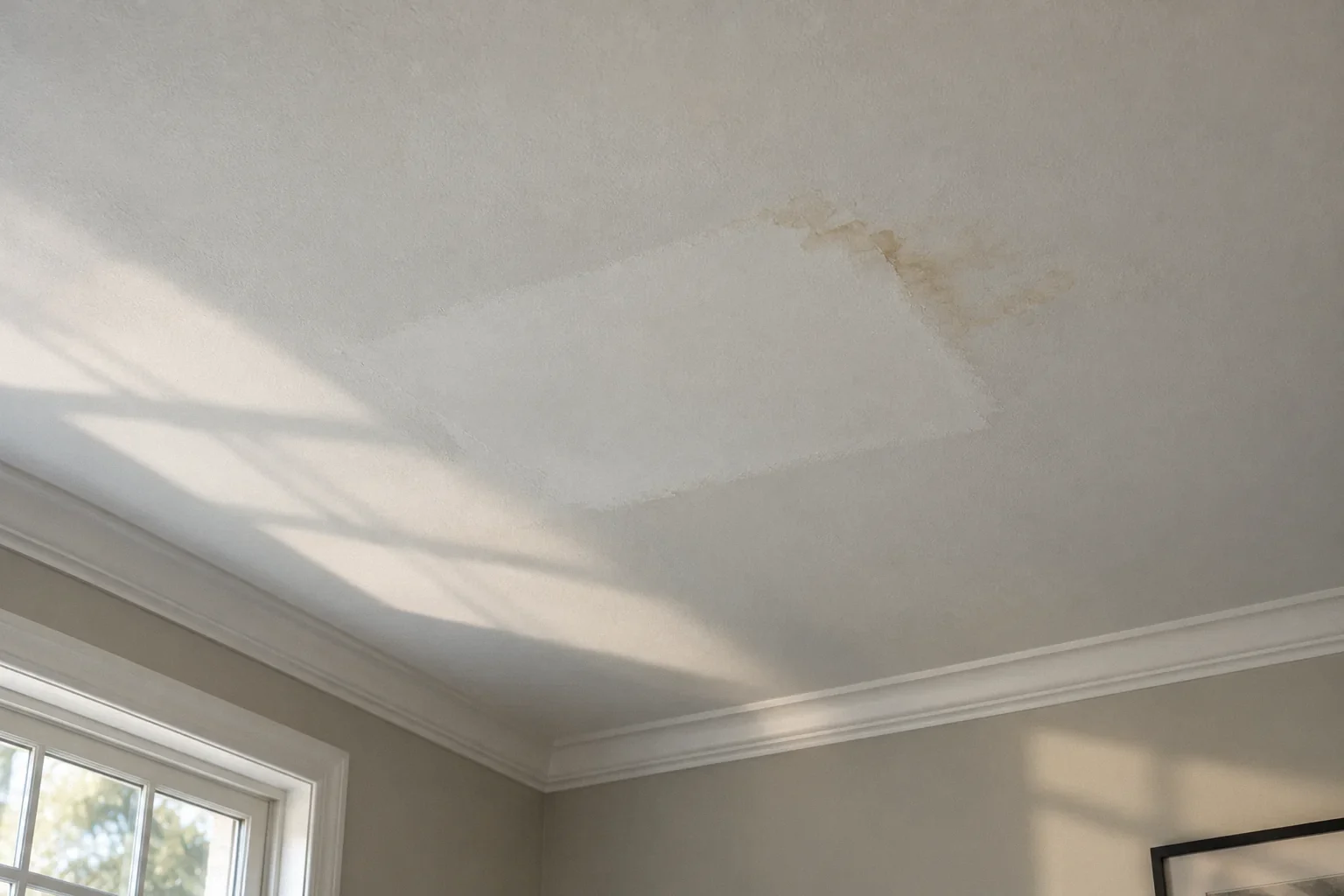
Compare two sentences: “No staining observed in the accessible bedroom” and “The roof does not leak.” The first describes a limited observation. The second asserts performance under conditions the inspector may never have encountered. When reading the report, highlight the nouns and limits: which room, roof area, surface, date and access method are actually identified? If the conclusion seems wider than the observations, ask the inspector to explain the intended meaning in writing. This is a request for clarification, not an accusation of negligence.
Pay particular attention to areas listed as inaccessible, stored belongings that blocked a view, roof surfaces assessed from a distance, and renovations that changed visible finishes. A limitation does not automatically mean a defect exists. It means the report has not answered that particular question. Put each important unknown on the transaction's investigation list instead of mentally converting “not inspected” into “satisfactory.” That list helps you spend additional inspection money on a defined uncertainty rather than repeating the same broad visit.
Match the next investigation to the missing evidence
If the unresolved issue is a stain beneath a skylight, a second general visual inspection may add less value than an assessment of that skylight's surrounding roof detail. If the issue is an inaccessible attic, ask what access would be needed and who can authorize it. If roof age is uncertain, records may answer more than another photograph. Each next step should name the question it is meant to resolve and what kind of result would change the purchase decision.
Tools also have limits. A moisture reading relates to a location and time; it does not establish the full history of wetting. A photograph from above may show the surface while leaving the layer below unknown. Ask the specialist to explain how their method addresses the suspected failure and how they will report inconclusive findings. Do not request a destructive opening or an improvised water test without the owner's permission and a professionally planned scope. The aim is better evidence, not a dramatic demonstration.
Use the report without turning it into a guarantee
Suppose the general report describes an older roof, no visible interior staining and a rear roof slope that could not be inspected closely. A buyer who only remembers “no leaks” loses two important qualifications. A more accurate decision note would identify the observed interior condition, the uncertain rear slope and the proposed follow-up. That note can be shared with the buyer's agent and the next inspector without claiming that anyone has proved a defect.
After clarification, decide which unknowns matter enough to resolve before the transaction proceeds. A cosmetic question and an unexplained history of repeated wetting need different attention. Ask the relevant transaction professional how inspection timing and proposed follow-up fit the agreement. Keep the original report as well as any amendment so the sequence remains clear. Neither a reassuring summary nor a lengthy report replaces understanding the particular areas that were, and were not, assessed.
What to take away
- Read inspection method, limitations, and recommendations together.
- Use specialists to answer defined unresolved questions.
- Compare original evidence with later findings before alleging a missed defect.
Sources & further reading
Reddit links show the questions people ask; they do not establish a diagnosis or a legal requirement. Technical requirements depend on the product, building and jurisdiction. See our research approach.
- Those of you who bought an older home, what did you find later that the inspector completely missed?Community question · anecdotal
Anecdotal issue discovery; not verified legal, technical, insurance, or incident authority.
- ASHI: Standard of PracticeTechnical / official reference
Professional association standard, not a substitute for the inspection agreement or applicable law. Check the standard actually used by your inspector.
Planning a Bay Area project?
Explore YKCA’s website and discuss the scope and services you need directly with them.