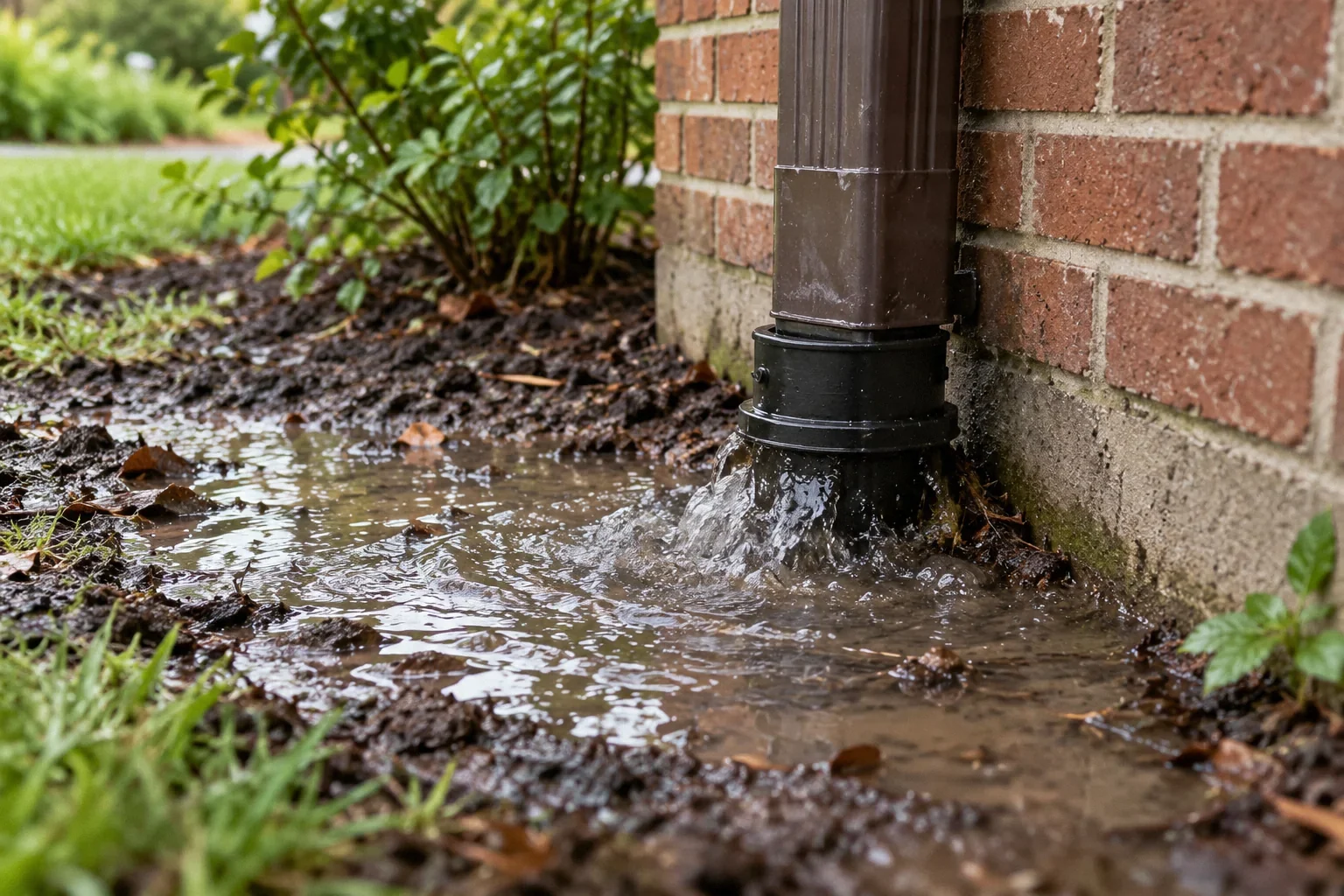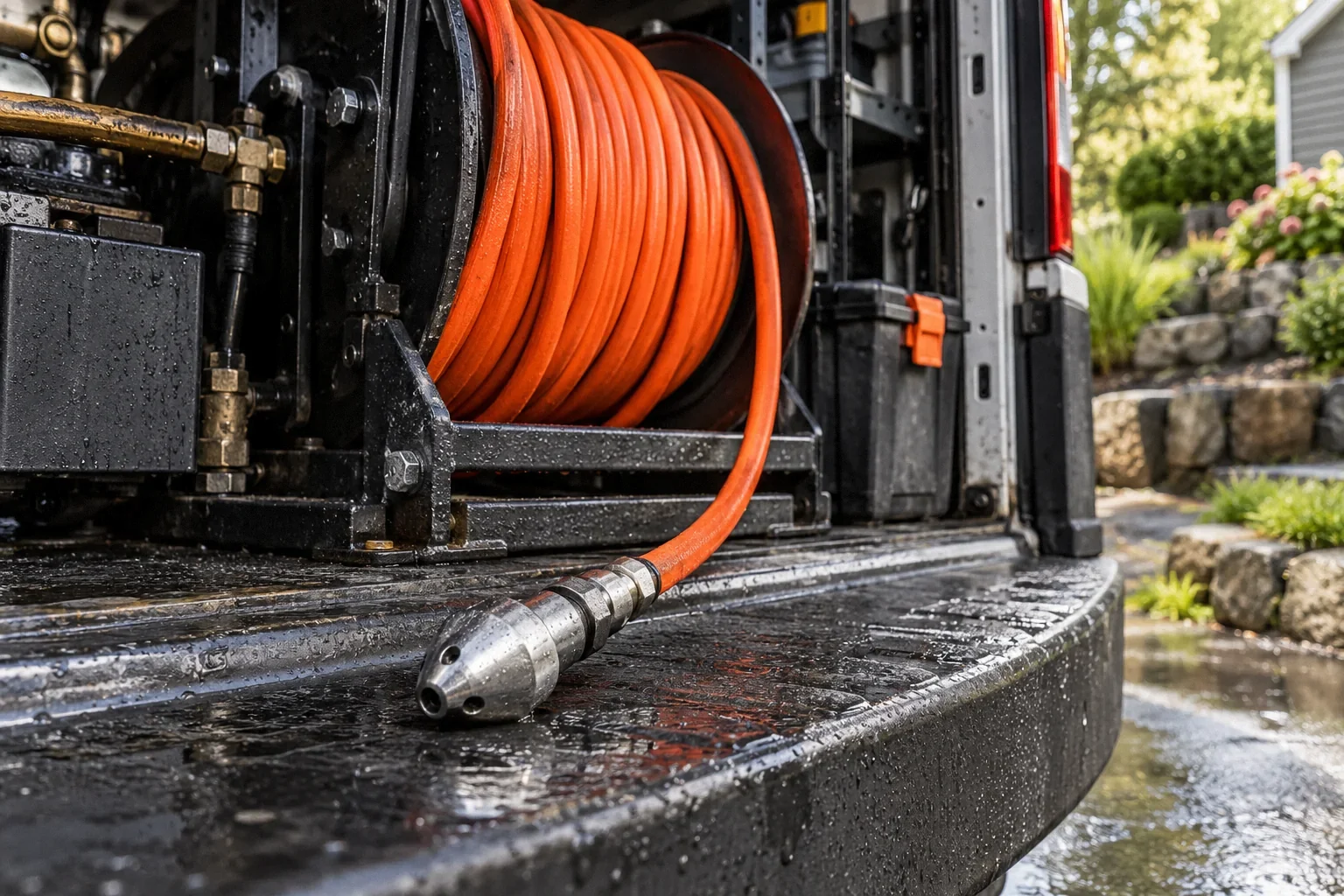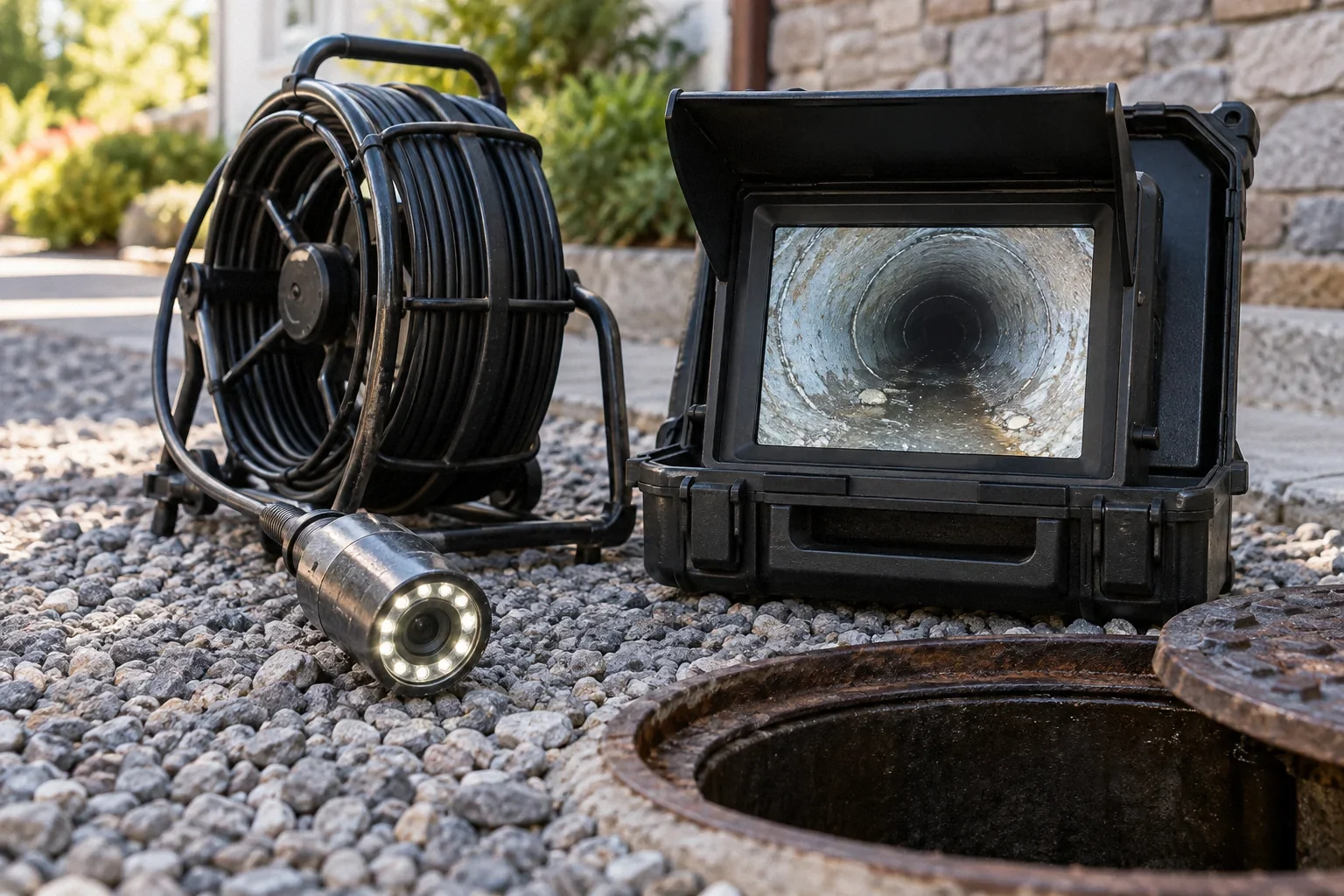
A drain camera shows accessible interior conditions along the route it actually reaches. It does not automatically establish the entire pipe’s grade, external condition, approved destination or hydraulic capacity. Request footage with location context and explicit inspection limits.
Define the question before the camera enters
Decide what the inspection is meant to resolve: a suspected obstruction, recurring root intrusion, an unknown route, a damaged segment or a pre-purchase uncertainty. A camera service performed without a question can produce footage that is difficult to interpret. Ask the operator to identify the access point, direction of travel and known pipe function. If the line’s destination is unknown, say so before work begins. The inspection plan should explain whether locating equipment or another method is available to relate visible features to positions on the property.
The camera-stoppage account illustrates a limit of inspection, not a confirmed diagnosis of the unseen section. This Reddit account is anecdotal, not technical authority. [2]
Preserve the identity of each run
Several branches can make video confusing. Request labels that connect each recorded segment to a named inlet or cleanout on a simple sketch. Distance shown by equipment should be understood in relation to that starting point and route, not treated as an automatically precise excavation coordinate. Ask the provider to state the locating method and uncertainty for important findings. A video titled drain inspection without direction or access context may be hard for another contractor to use, even when the images themselves are clear.
Visibility controls what can be concluded
Standing water, debris and restricted access can obscure the pipe wall or prevent the camera from passing. The operator should report those limits. A dark or submerged image is not the same as a confirmed sound pipe, and inability to pass is not by itself proof of collapse. Ask for the observation that supports any diagnosis. NDS’s exterior drainage guide provides context for system components. [1] It does not turn a camera image into a complete hydraulic evaluation or establish the unseen condition outside the pipe.
Separate a defect from its consequence
A visible offset, root or damaged area may be relevant, but the report should explain how it relates to the complaint. A small finding does not automatically explain every flooding event. Ask whether the inspected route was observed discharging and whether the timing of the backup fits the proposed explanation. If a repair is recommended, request the basis for its length and location. This helps prevent an incidental visible defect from becoming the sole explanation for a broader receiving-area or grading problem.
Know what requires another method
Surface and pipe elevations, destination permissions, surrounding soil conditions and external structural effects may require other assessment. A camera can contribute evidence without answering all of those questions. Ask the provider which conclusions fall outside the service. If the report claims that the line is properly sloped, request the method used to establish that claim rather than assuming a moving video proves it. If the camera stops before the outlet, the destination remains unverified unless another reliable record establishes it.
Use the footage to make repair decisions reviewable
Keep the original video, still images of significant findings and the operator’s written summary. A short edited clip can be useful for discussion but should not be the only retained record. Ask for separate lists of confirmed findings, suspected conditions and inaccessible portions. After repair, comparable footage may document the visible result. It still has limits, but a consistent before-and-after record is more useful than a simple statement that the line looks good or that the camera went all the way.
Read a camera recommendation critically
A strong recommendation links an observed feature to a location and a proposed action. For example, it identifies the visible condition, states whether the camera reached beyond it and explains why the recommended repair length follows. A weak recommendation jumps from an unclear image to replacing the entire route without accounting for unseen sections. Ask for the missing reasoning rather than assuming either the largest or smallest repair is correct.
The report should also identify whether the footage was taken before or after clearing. A post-cleaning view can show conditions previously hidden by debris, while a before view may explain the obstruction. Both have value if labeled. Do not treat the absence of visible roots after removal as proof that the entry condition has been repaired.
If another contractor will use the inspection, ask for a format they can review and a clear map. An unexplained distance counter in a video is less useful than a labeled access point with direction, important findings and stated locating uncertainty. The deliverable should support the next decision, not merely prove that a camera was used.
Ask how significant findings will be marked on the ground if repair planning requires location. A video counter can be useful, but a contractor preparing an excavation needs appropriate location information and must still follow utility and site-planning processes. The camera service should not imply that a marked point eliminates those requirements. If footage is unclear, request still images and a plain-language explanation of why the operator interpreted them as a particular condition. You do not need to become a pipe inspector to ask for a traceable conclusion. A useful report can say that a condition is suspected and recommend another step. That is more informative than a confident diagnosis unsupported by the visible record, especially when the proposed repair would disturb paving, trees or areas near the building.
| Decision area | Question or evidence |
|---|---|
| Observed feature | What is visibly shown? |
| Location context | From which access point and direction? |
| Inspection extent | What lies beyond the camera’s reach? |
| Recommendation | Why does this evidence support this repair? |
Example: a camera stops near a tree
Imagine the camera stops near a mature tree and the operator suspects roots. If the lens shows a dense root obstruction, that is a visible finding. If it only encounters resistance at a bend with poor visibility, the conclusion is less certain. The next step may involve appropriate clearing, another access point or location work selected by the provider. It should not automatically be excavation at the tree. The report should preserve the evidence and uncertainty so a repair contractor can plan the next investigation without converting a suspicion into a fact.
Ask for a usable deliverable
Before booking, confirm whether the service includes a copy of the footage, a route sketch, location marks and a written interpretation. Those items are not necessarily included in every advertised camera service. Specify what you need so the result supports the decision you are trying to make.
- Which access point and direction correspond to each video?
- What prevented complete inspection, if anything?
- Which conclusions require elevation, outlet or other investigation?
What to take away
- Label access point, direction and inspected length.
- Do not equate inability to pass with a confirmed collapse.
- Request separate observed, inferred and uninspected findings.
Sources & further reading
Reddit links show the questions people ask; they do not establish a diagnosis or a legal requirement. Technical requirements depend on the product, building and jurisdiction. See our research approach.
- NDS manufacturer: Principles of Exterior DrainageTechnical / official reference
Surface/subsurface collection, discharge planning, sizing and maintenance.
- Reddit discussion: French drain issue/questionCommunity question · anecdotal
Anecdotal homeowner discussion used to identify the question; not technical authority or evidence of this property’s condition.
Planning a Bay Area project?
Explore YKCA’s website and discuss the scope and services you need directly with them.