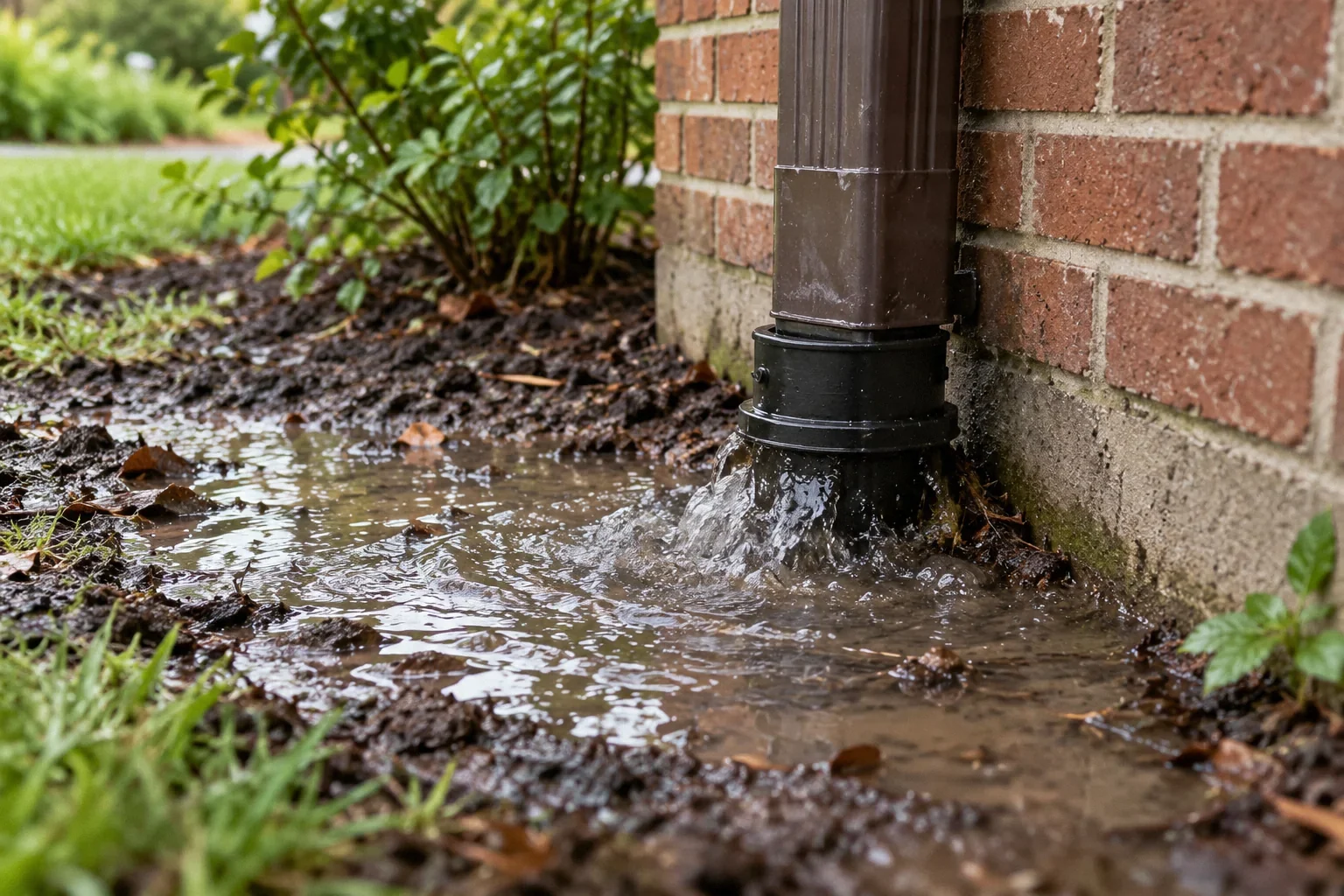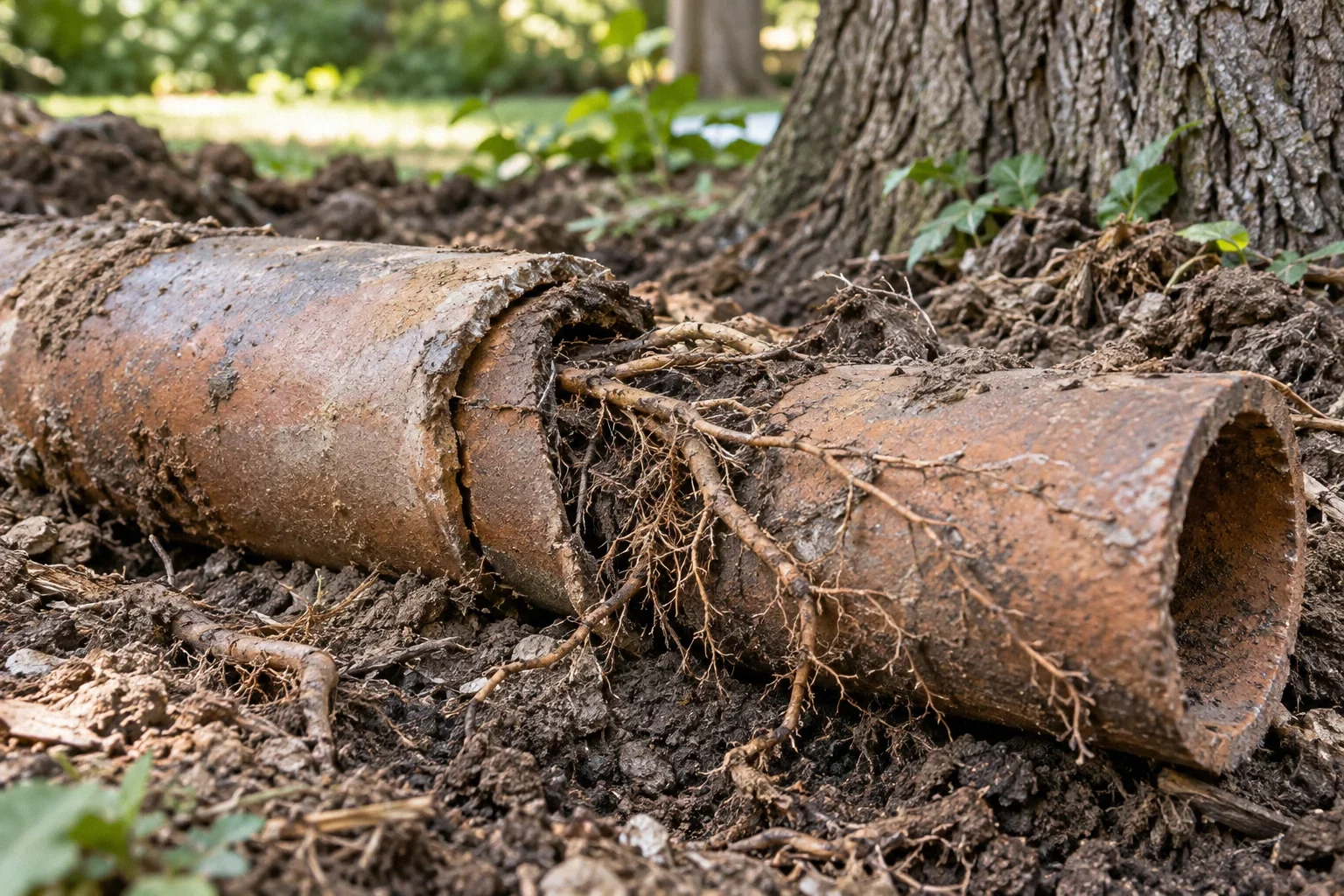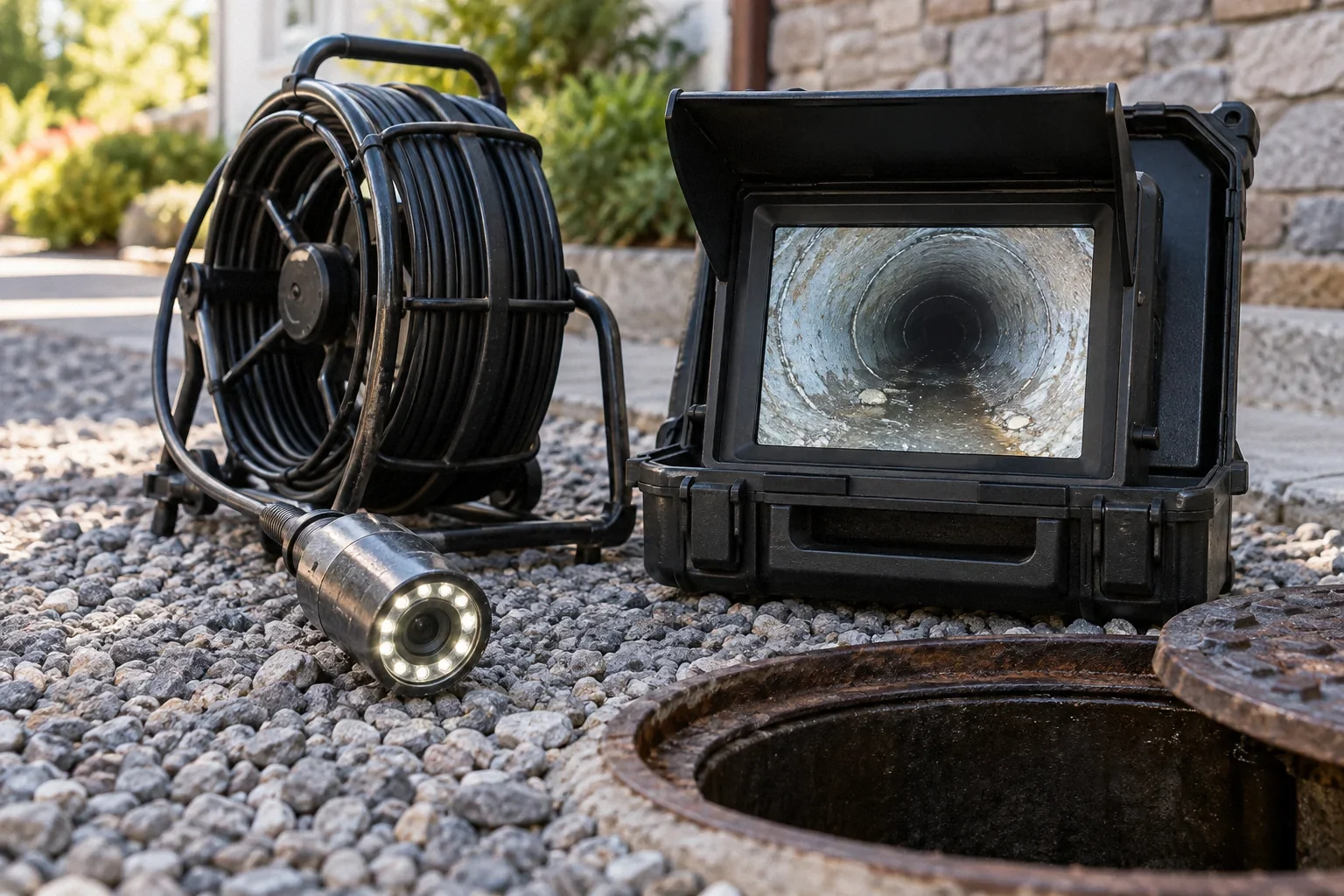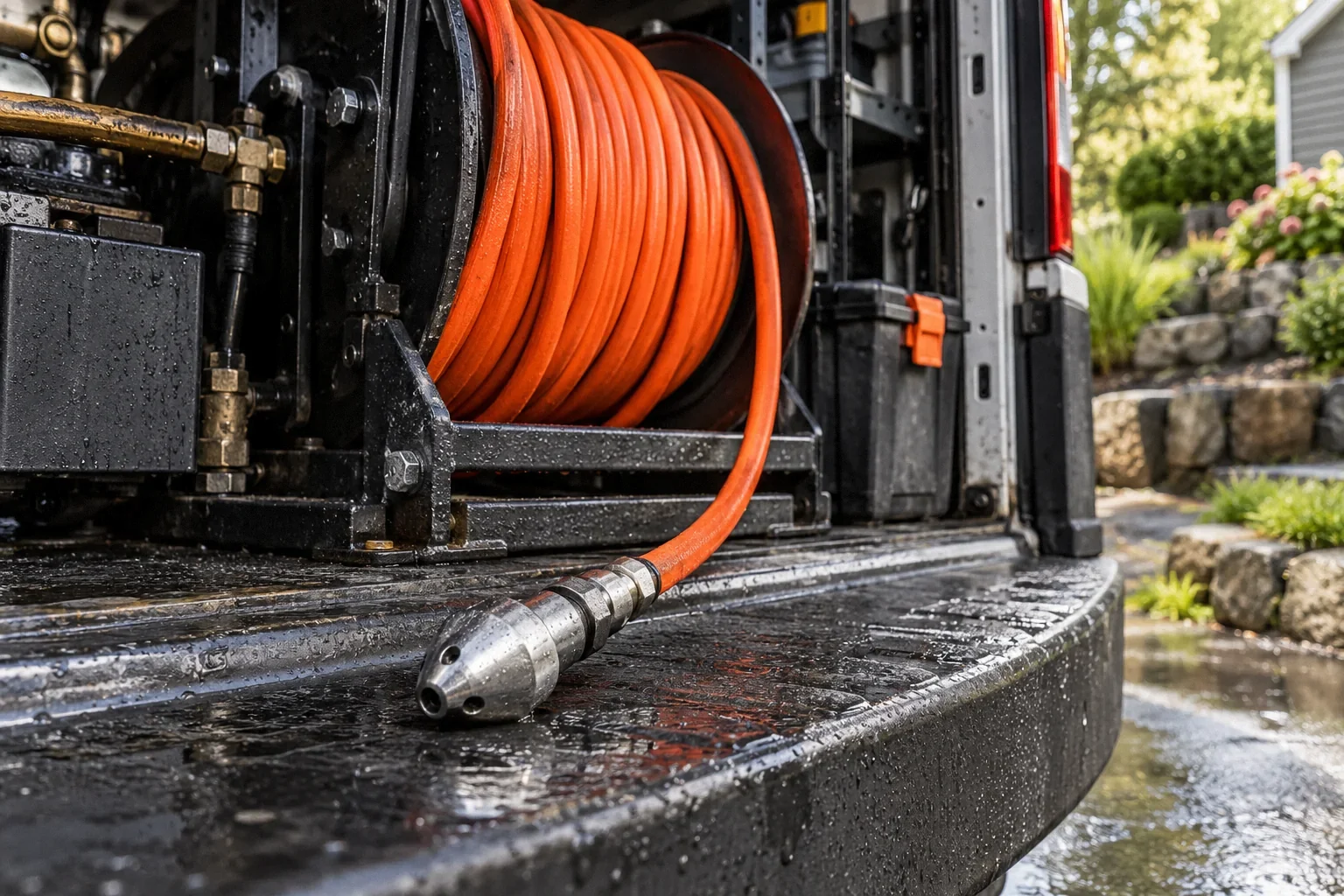
Hydro jetting should be selected by a qualified provider after the line’s identity, accessible condition and destination are considered. Ask what the process can resolve, how debris will be handled and what evidence will distinguish a cleared obstruction from a damaged pipe.
Start with the purpose of the service
Is the goal to remove a known obstruction, prepare for a camera inspection or investigate a recurring backup? Those purposes lead to different expectations. A quote that promises to fix drainage by jetting every line may hide important uncertainty. Ask which line will be serviced and how it was identified. If the pipe’s material, condition or destination is unknown, the contractor should explain how that uncertainty affects the plan. The homeowner should not prescribe pressure settings or attempt a rental-equipment experiment in an unidentified buried system.
The clay-blockage account includes suggestions for pressure cleaning; those suggestions do not establish suitability for an unknown pipe. This Reddit account is anecdotal, not technical authority. [3]
Ask why the selected method fits the pipe
Landscape systems can include different pipe types, connections and collection components. Request a plain-language explanation of why the proposed method is appropriate for the known installation. If the provider cannot establish condition beforehand, ask for stopping criteria and the next diagnostic step if resistance or damage is suspected. NDS’s exterior drainage guide distinguishes collection and conveyance components. [1] A service plan should respect those differences rather than assume that every buried line can be treated like the same kind of sewer pipe.
Understand what cleaning cannot repair
Removing sediment or debris does not reconstruct a collapsed section, correct a poor route or create a suitable outlet. If the receiving area floods during storms, improved interior cleanliness may not resolve the observed backup. Ask the provider to separate expected cleaning benefits from conditions requiring repair or design review. A successful service can legitimately be described as removing an obstruction without promising that every drainage problem is solved. That distinction should be visible in the estimate, invoice and any warranty language.
Plan for the removed material and water
Ask where mobilized debris and service water will go and how the work avoids inappropriate discharge. Alameda County’s Clean Water Program warns against sending maintenance waste into storm drains. [2] This narrow principle matters even when the original system carries rainwater: cleaning can release material that should not simply be pushed into a public drain. The provider should explain the applicable handling arrangement for the actual service. Do not assume a pipe disappearing toward the street is a permitted disposal route for everything removed from it.
Request evidence before and after
Where appropriate, photographs, camera footage or a documented flow observation can show what was encountered and what changed. Ask whether the provider reached the outlet or only cleared a limited segment. If visibility was poor before service, a later inspection may be more informative. Do not require a particular test without regard to site conditions; require a clear explanation of the evidence available and its limits. The result should say what was removed, what portion was serviced and what unresolved condition remains.
Use recurrence as diagnostic information
If the same line backs up again, compare the timing and service records before booking an identical treatment. Rapid recurrence at a documented defect suggests a different question from seasonal debris entering an accessible basin. Ask whether upstream sediment control, inlet maintenance, pipe repair or receiving-area evaluation is appropriate. Persistent water entering a building warrants a broader assessment. Repeating a service indefinitely can be more disruptive than a targeted investigation that establishes why the line keeps losing useful flow.
Separate service success from drainage success
A cleaning visit can succeed at removing material even if the property still needs a drainage correction. Ask the invoice to state that narrower outcome when appropriate. This is not a criticism of the service; it makes its value and limitations clear. A contractor who reports both improvement and an unresolved defect gives the owner a better basis for the next decision than one who declares the whole system fixed without observation.
Before booking, ask whether the quoted price covers a defined route, a period of service or a specific deliverable. If the provider encounters an inaccessible section, what happens next? A clear stopping and reporting process prevents pressure to continue an unsuitable method merely because equipment is already on site.
Afterward, compare the completion evidence with the original complaint. If water now passes under a limited check but the complaint occurred only during prolonged rain, retain a later observation step. If a defect was found, request a separate repair proposal tied to that finding. Cleaning and repair can be consecutive stages without being conflated into one unsupported guarantee.
Ask whether follow-up inspection is included or separately available if cleaning improves visibility. An initial view may show only debris, while the condition of the underlying pipe becomes apparent afterward. The estimate should explain that sequence when relevant, so the owner does not confuse the cleaning charge with a complete condition assessment. If the provider offers a bundled service, request the actual deliverables rather than relying on the bundle’s name. Also preserve any recommendation not to proceed with a particular method. A documented decision to stop because the pipe condition is uncertain can be a responsible outcome, not a failed visit. The next step should then be described clearly enough that another provider can continue the investigation without repeating the same uncertainty from the beginning.
| Decision area | Question or evidence |
|---|---|
| Service scope | Which route and access points are included? |
| Stopping criteria | What condition triggers reassessment? |
| Waste handling | Where do removed materials go? |
| Closeout | What improvement was actually observed? |
Example: jetting requested before the outlet is found
Suppose a downspout line backs up and the owner requests jetting because a neighbor recommended it. The service provider has not identified where the line ends. Before work, the proposal should resolve or explicitly manage that uncertainty and explain debris handling. If inspection reveals a damaged section, cleaning may be limited or deferred in favor of another step. If the line is intact but obstructed, a qualified provider may choose jetting as part of the service. The important decision is based on this system’s evidence, not the neighbor’s successful experience with a different pipe.
Questions for the service authorization
Keep the scope specific enough that you know what you are buying without dictating equipment settings. Ask for the identified route, service limits and documentation included. Agree on how additional repair recommendations will be presented if the cleaning exposes another issue.
- Why is this method suitable for the known pipe?
- How will debris and service water be handled?
- What will the completion report establish, and what will remain unknown?
What to take away
- Let pipe identity and condition guide the service method.
- Separate cleaning from repair and capacity claims.
- Require appropriate debris handling and a documented result.
Sources & further reading
Reddit links show the questions people ask; they do not establish a diagnosis or a legal requirement. Technical requirements depend on the product, building and jurisdiction. See our research approach.
- NDS manufacturer: Principles of Exterior DrainageTechnical / official reference
Surface/subsurface collection, discharge planning, sizing and maintenance.
- Alameda County Clean Water Program: Home MaintenanceTechnical / official reference
Cleaning and maintenance wastewater does not belong in storm drains.
- Reddit discussion: My French drain is clogged with clay dirt. What do I do?Community question · anecdotal
Anecdotal homeowner discussion used to identify the question; not technical authority or evidence of this property’s condition.
Planning a Bay Area project?
Explore YKCA’s website and discuss the scope and services you need directly with them.