Preserve the contract, payment proof, promised dates, and communication history, then send a clear written request for status and a realistic proposed resolution. Distinguish a documented delay from an unsupported assumption that the contractor stole the deposit or abandoned the job.
Reconstruct the timeline first
Write down when the agreement was signed, what was paid, the promised start window, later changes, and each attempted contact. Separate a fixed date from an estimate dependent on weather or delivery. A concise chronology makes it easier to identify the actual missed obligation and to explain the problem to a regulator, adviser, or replacement contractor.
Check the contract's schedule language
Read the start and completion provisions, cancellation terms, and any agreed conditions. Compare them with the contractor's messages. A delay may be explainable without being acceptable indefinitely. Ask what specific obstacle remains and what event will resolve it. A repeated 'soon' is not a workable schedule, but it is also not proof of how the deposit was spent.
Request a written recovery plan
State the facts, identify the missing response, and ask for a definite status update and proposed start or resolution. Keep the message professional and retain delivery evidence. CSLB asks complainants whether they formally notified the contractor of concerns.[1] Clear notice is more useful than a sequence of angry calls that nobody can later reconstruct.
Verify changed circumstances
Recheck license and company contact information if the delay is substantial or another entity suddenly appears. Confirm whether materials were actually delivered and whether any permit application exists. Do not accept a supplier-order claim as proof that materials are on your property. Equally, do not accuse the contractor of fraud because a delivery record is not immediately available.
Protect the house and the evidence
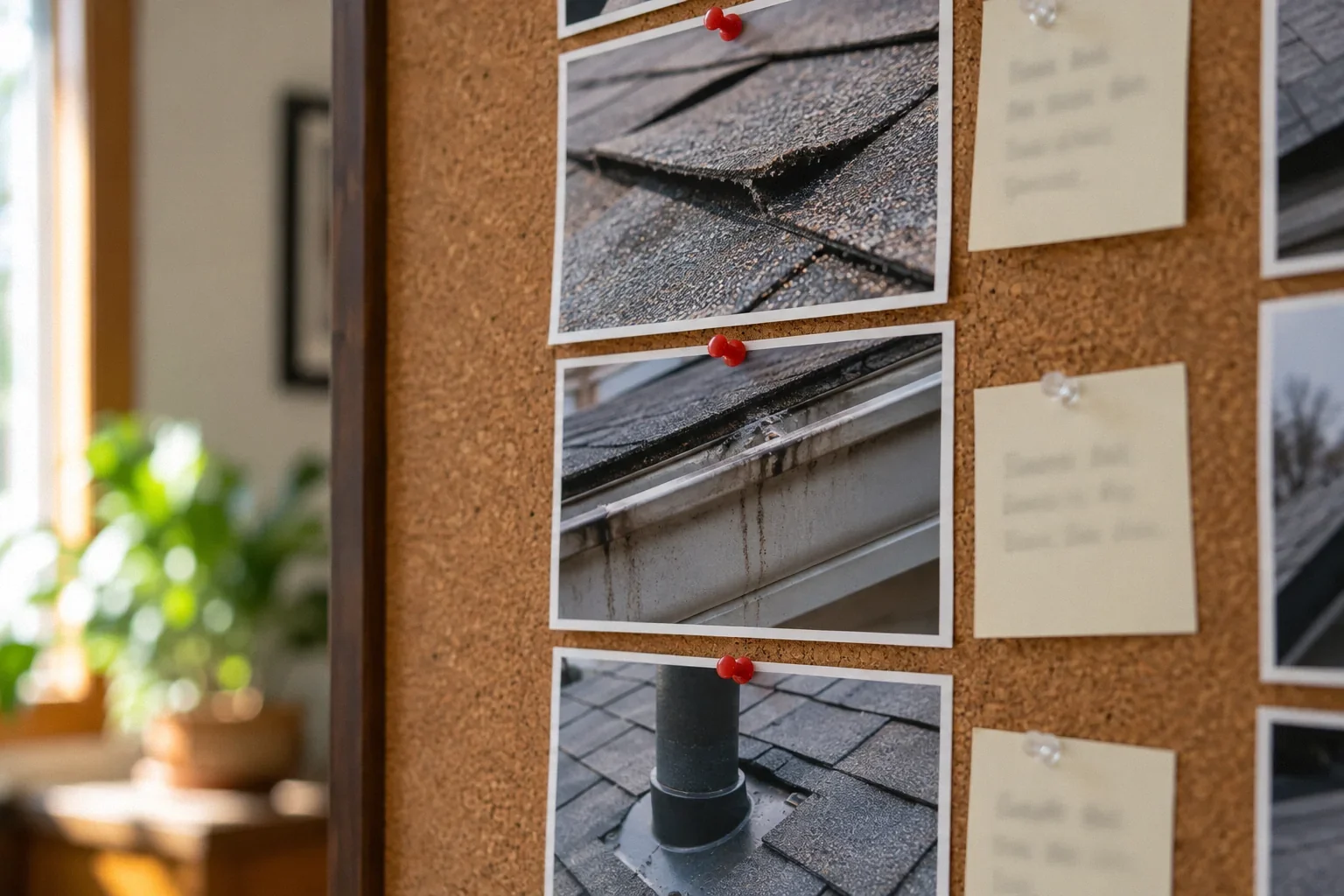
If work has begun, document any exposed areas and obtain appropriate temporary protection. Avoid making the situation worse while waiting for a response. Before another contractor removes disputed work, obtain photographs and a written condition description when practical. An urgent repair may be necessary, but keeping records preserves the ability to understand what happened.
Consider formal help without promising recovery
CSLB can address certain licensing and contracting violations, but its complaint process does not guarantee restitution.[1] Financial recovery, contract termination, and replacement arrangements can require legal advice. Do not assume filing a complaint automatically cancels the contract or resolves payment rights. Choose the next step based on the documents and the project's condition.
Learn from the deposit structure
The Reddit homeowner behind this topic paid half months before the roof began and worried about leverage.[3] That account is a warning about uncertainty, not evidence about your contractor. For future work, verify the applicable deposit rule and tie subsequent payments to completed work or delivered materials rather than a loosely defined place in the schedule.
Choose a proportionate response to the delay
Distinguish three situations: work has not started, work is partly complete but protected, or work has stopped with the house exposed. The urgency and available options differ. A scheduling dispute before mobilization may allow time for correspondence and advice. An exposed roof requires prompt protection even while the contract dispute is unresolved. Record the physical condition separately from the payment issue so a professional helping you can understand which problem needs immediate attention.
Ask the contractor to identify verifiable dependencies. A material delay should name the material and expected availability; a permit delay should identify the application status; a crew delay should produce a revised schedule. You do not need access to the contractor's private finances to evaluate whether the explanation is concrete. Repeated vague assurances can justify escalation, but they still do not establish a particular motive. Keep the focus on performance, communication, and the resolution being proposed.
If you are considering a replacement contractor, obtain advice on how to end or modify the existing arrangement before creating conflicting obligations. A second roofer may need to inspect incomplete work, determine what can be retained, and price temporary protection or corrective work separately. Ask for those distinctions in writing. Do not assume the replacement price is automatically recoverable from the first contractor or that hiring another company alone resolves ownership of delivered materials and warranties.
A formal complaint packet should be concise enough to follow: agreement, payment proof, promised schedule, changes, notices, responses, and current condition. Include a clear statement of the requested resolution, such as a documented completion plan or another remedy advised for the situation. Avoid burying the chronology in unrelated grievances. If the dispute involves a significant sum or a threatened lien, legal advice may be more appropriate than relying only on administrative complaint processing. Keep working toward protecting the house while the responsibility question is assessed.
- Classify the immediate condition as not started, protected partial work, or exposed work; respond to physical risk before arguing about motive.
- Request verifiable schedule dependencies and a dated plan instead of accepting repeated unspecified promises.
- Before hiring a replacement, clarify the existing contract, delivered materials, incomplete work, and evidence that should be preserved.
A practical example
A contractor misses a stated start window and twice cites weather. A useful response asks which dates were unsuitable, whether materials and permits are ready, and what new window is proposed. If the contractor provides a credible documented plan, the owner can evaluate it. If the contractor stops responding, the same chronology supports a formal complaint or legal consultation. Neither response requires guessing about the contractor's bank balance.
Avoid creating a second problem while resolving the first
Do not post allegations about theft, insolvency, or fraud unless you have a sound factual and legal basis. The evidence may establish missed dates and unanswered messages without establishing motive. A factual account can still be serious and persuasive. Preserve your options by concentrating on what the agreement required, what happened, and what resolution you requested.
Similarly, do not dispose of delivered materials or authorize major changes to unfinished work without considering ownership, evidence, safety, and the existing agreement. If urgent protection is necessary, document it and obtain appropriate help. If there is time for advice before a replacement contract or termination, use it. A stalled roofing job can create pressure to act quickly, but the next action should solve a defined problem rather than simply express frustration. Keep the physical protection plan, contract-resolution plan, and payment record separate enough that each can be assessed by the right professional.
What to take away
- Preserve dates, amounts, promises, and attempts to contact.
- Request a specific written recovery or resolution plan.
- Do not assume a complaint automatically cancels the contract or returns money.
Sources & further reading
Reddit links show the questions people ask; they do not establish a diagnosis or a legal requirement. Technical requirements depend on the product, building and jurisdiction. See our research approach.
- CSLB: Filing a Construction ComplaintTechnical / official reference
Regulatory enforcement is not guaranteed financial restitution; notification and records.
- CSLB: Homeowner ChecklistsTechnical / official reference
Permits, written change orders, deposit cap and work-based payments.
- Roofer stalling after down paymentCommunity question · anecdotal
Anecdotal discussion used to identify reader questions. Not verified incident evidence or legal, insurance, or technical authority.
Planning a Bay Area project?
Explore YKCA’s website and discuss the scope and services you need directly with them.