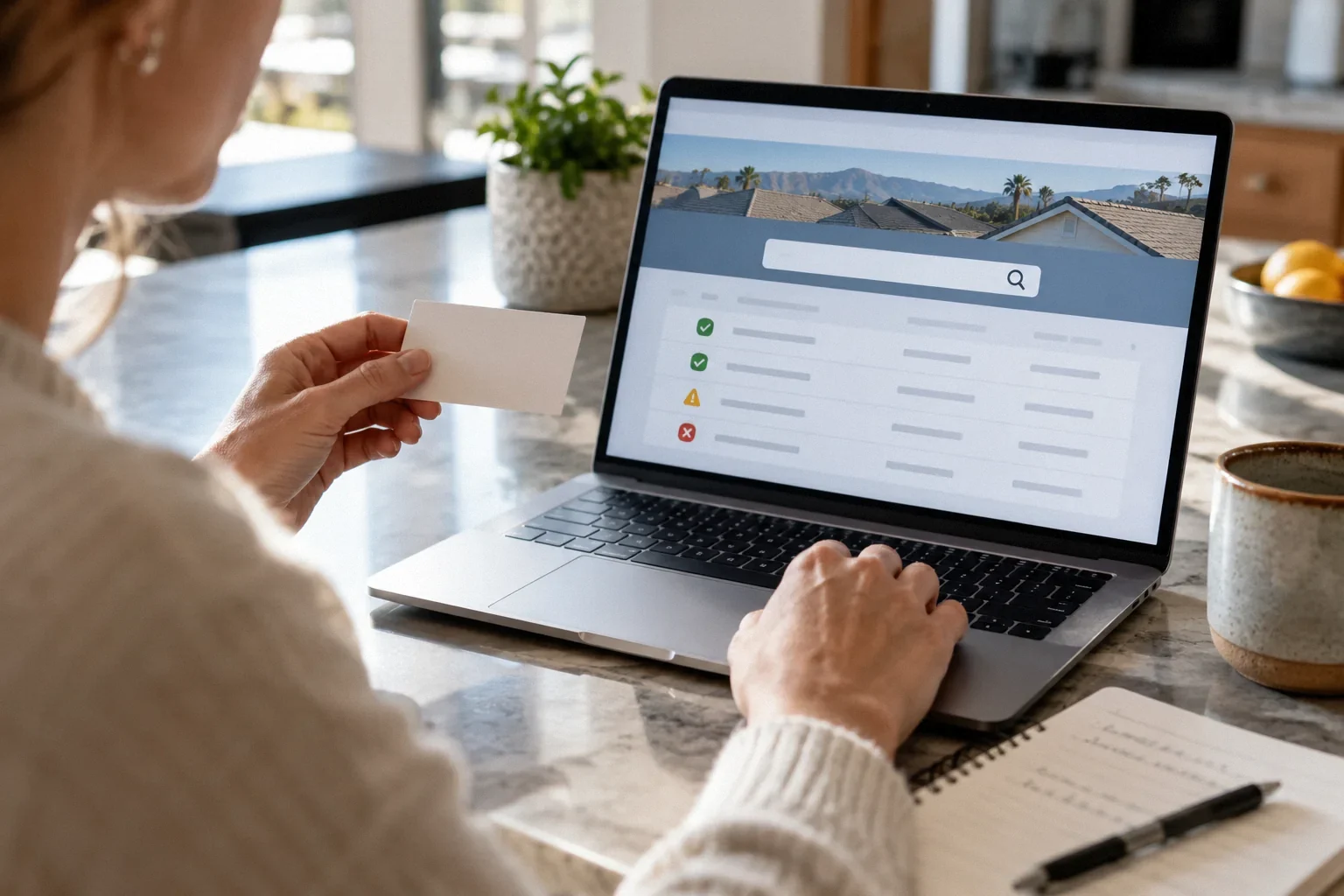
Request current evidence of workers' compensation and liability coverage, then verify the named insured and policy dates with the listed insurance professional. A certificate is a summary, not a promise that every roofing loss, person, or activity is covered.
Separate the three protections
Workers' compensation concerns work-related employee injury. Commercial general liability concerns covered liability claims, subject to policy terms. A contractor license bond serves a different regulatory and financial purpose. Asking only whether a contractor is 'bonded and insured' leaves these distinctions unresolved. Request each relevant document by its actual name.
Match the named insured to the contract
Compare the certificate's insured entity with the company signing your agreement. A related company or individual name may require explanation. Also compare the described operations with the proposed work. An insurance professional can explain the relationship; a homeowner should not infer coverage from a similar name, shared address, or common owner.
Check dates at the time work occurs
Look at effective and expiration dates and confirm whether the coverage remains current. A certificate generated during estimating may not establish coverage months later. If the project spans a renewal, request updated evidence. Use contact information you can independently verify rather than relying solely on a forwarded document and an unfamiliar phone number.
Ask about workers' compensation specifically
CSLB states that active C-39 roofing contractors must carry workers' compensation insurance or have valid self-insurance certification on file even without employees.[1] Verify the current record instead of assuming that an owner-operated company is exempt. If subcontractors will attend, ask the contractor how their coverage and responsibilities are verified.
Do not turn a certificate into an endorsement
A certificate can summarize a policy but does not resolve all exclusions, additional-insured status, or completed-operations coverage. If a specific contractual protection matters, ask the insurance professional what actual policy document establishes it. Avoid accepting a box, generic description, or sales explanation as proof of a broader promise.
Plan the property-damage reporting route
Before work, photograph vulnerable areas and ask whom to contact if damage occurs. If there is a problem, report facts promptly through the appropriate contractor and insurer channels. Coverage depends on the circumstances and policy terms. A liability policy is not a substitute for a workmanship warranty, and neither automatically pays every correction cost.
Keep insurance checks proportional and documented
You do not need to become an insurance underwriter to hire a roofer. You do need consistent names, current dates, clear operations, and a verified contact for unresolved questions. Reddit debates about subcontractor coverage reveal common confusion; they do not establish that a particular loss would be insured.[3]
Questions that make an insurance review useful
Tell the insurance professional what the project actually involves. A simple shingle reroof, hot-work operation, steep access, structural repair, or equipment removal can present different questions. You are not asking the agent to redesign the project; you are asking whether the evidence provided corresponds to the insured operations being proposed. Keep the response in writing where possible. Avoid assuming that a broad label such as 'construction' answers every roofing-specific issue or that the certificate's highest dollar number is the only relevant detail.
Ask who to contact if the named insured, subcontractor arrangement, or policy dates change before work. The contractor should have a process for providing updated evidence. A certificate holder listing is different from any additional-insured status that may be required by a contract, and neither should be inferred from a casual email. If your project requires a particular endorsement, have the insurance professional identify the document and explain its applicability. Do not demand a label without understanding the protection you actually need.
Before the crew arrives, document existing property conditions in areas exposed to delivery, ladders, demolition, and debris. These photographs do not establish insurance coverage, but they can clarify whether damage occurred during the work. If damage is discovered, record the location and circumstances promptly and notify the appropriate contact. Keep the discussion factual. A claim can require investigation, and a contractor's first explanation may be incomplete; neither a quick apology nor a denial should be treated as the final policy determination.
Consider the difference between a defective installation and resulting damage when asking about a potential claim. Policies and warranties may address these differently, and the answer can depend on exclusions and the circumstances of the loss. Do not write your contract around the assumption that liability insurance will pay to redo any unsatisfactory work. The agreement still needs quality expectations, correction obligations, and a written warranty if one is offered. Insurance verification supports those arrangements; it does not replace a contractor's obligation to perform the promised work.
- Give the insurance contact the actual project scope and ask whether the named entity and operations match the evidence provided.
- Keep certificates, requested endorsements, verification responses, and renewal evidence together; avoid treating one page as the whole policy.
- Document property condition and promptly report incidents, while leaving coverage conclusions to the applicable policy review.
A practical example
A contractor presents a certificate showing liability coverage but says workers' compensation is unnecessary because the crew are independent contractors. Do not resolve that statement by copying another homeowner's experience. Check the current CSLB record and ask how the proposed labor arrangement meets the applicable requirements. If the explanation remains unclear, obtain clarification from the contractor's insurance professional or CSLB before the crew arrives. Keep the response with the contract.
Decide what remains unanswered before mobilization
Make a short list of unresolved insurance questions rather than collecting documents without reading them. An entity mismatch, expired policy date, unexplained workers' compensation status, or missing requested endorsement needs a specific answer. A certificate with many boxes completed can still leave one of those questions open. Ask the contractor and insurance professional to resolve the item and preserve the response. If your own homeowner insurer has requirements for the project, confirm them directly rather than assuming the contractor's coverage satisfies them.
Do not turn this review into a promise that every future loss will be paid. Coverage depends on the actual policy and circumstances, and a claim may require investigation. The purpose of the review is to avoid preventable uncertainty about who is insured, when, and for the operations proposed. Combine that clarity with a sound contract, qualified supervision, safe practices, and records of existing property condition. These measures address different risks; none becomes unnecessary because another appears strong. When an important coverage question remains disputed, obtain appropriate professional advice before relying on an assumption.
What to take away
- Verify the named insured against the legal contracting entity.
- Check workers' compensation separately from liability coverage.
- Ask for policy evidence when a specific endorsement matters.
Sources & further reading
Reddit links show the questions people ask; they do not establish a diagnosis or a legal requirement. Technical requirements depend on the product, building and jurisdiction. See our research approach.
- CSLB: Finding the Right ContractorTechnical / official reference
State consumer guidance: compare same scope; verify license and insurance; active C-39 WC requirement.
- CSLB: Check a LicenseTechnical / official reference
License identity, classification, status and disclosed complaint checks.
- How risky is a roofer who uses subcontractors?Community question · anecdotal
Anecdotal discussion used to identify reader questions. Not verified incident evidence or legal, insurance, or technical authority.
Planning a Bay Area project?
Explore YKCA’s website and discuss the scope and services you need directly with them.