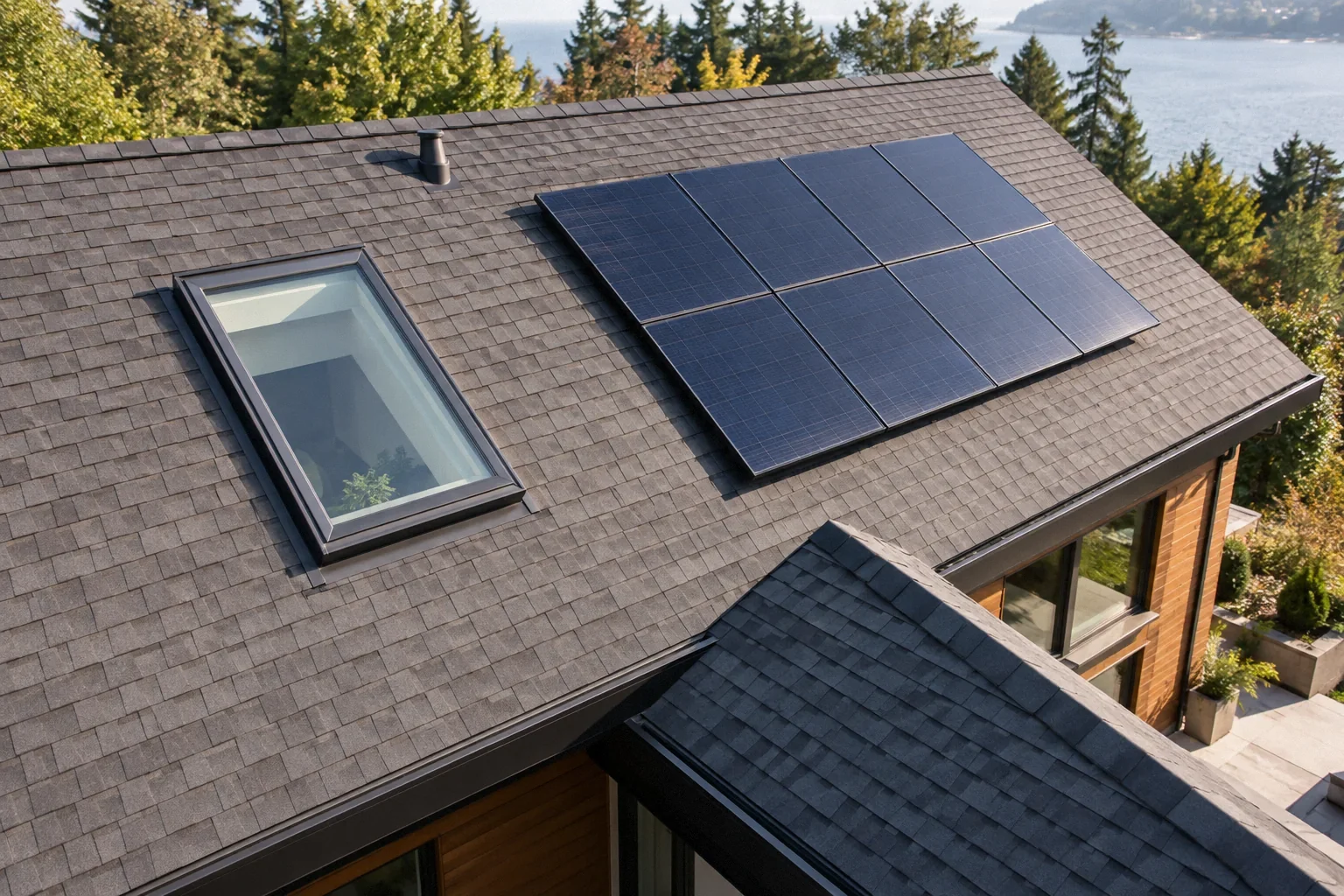
Check whether the property has a historic designation or lies within a regulated historic area before ordering roofing materials. Local planning approval can affect material, profile, color, and visible details and may need to precede a building permit.
Verify the property's status
Use official local historic-resource information and ask the planning department when the status is unclear. A house being old does not automatically establish a designation; a seller saying it is 'not historic' does not settle the question. Confirm the parcel and any district rules rather than relying on architectural appearance alone.
Separate planning review from building review
Planning may address preservation or appearance, while building review addresses applicable construction requirements. San José's reroof page identifies planning clearance for properties on its historic inventory before issuance of a reroof permit.[1] Other cities may have different processes. One approval should not be assumed to replace the other.
Describe the existing roof accurately
Photograph visible profiles, eaves, ridge details, roof shapes, and materials from safe locations. Gather prior permits or historic records if available. The proposed replacement should be compared with the documented existing condition. Avoid promising an exact historic match before confirming availability, structural implications, and acceptable alternatives.
Ask which features control the decision
A review may focus on visible material character, profile, color, detailing, or other local criteria. Obtain the actual requirements and ask what alternatives can be considered. Do not assume a material is acceptable because it resembles the original in a small sample or was approved on a nearby property.
Resolve performance and preservation together
Fire, structural, energy, drainage, and product requirements still need a coherent solution. If a preferred historic material creates a conflict, involve the relevant designer and officials early. The correct response is a documented acceptable assembly, not an improvised field substitution after the old roof has been removed.
Allow for review before procurement
Order commitments and installation dates should reflect the approval sequence. A contractor may offer a fast schedule that is unrealistic if planning review remains unresolved. Clarify who prepares the submittal, who responds to comments, and whether material substitutions require another review. This protects both the budget and the building from unnecessary delay.
Keep the approved details with the roof file
Retain planning decisions, building documents, product information, and final photographs. Future maintenance or resale questions are easier when the approved design is clear. The Reddit older-home discussion highlights how undocumented past changes become difficult to interpret; it does not establish preservation requirements for any specific property.[4]
Prepare a proposal that can be reviewed and built
Ask the planning department what documentation it needs to evaluate the proposed appearance. Depending on local procedure, that may involve photographs, product information, colors, profiles, or a description of visible details. Do not assume a full design package is always necessary, but do not order materials on the strength of an informal conversation if written approval is required. The submittal should accurately describe the material that will be installed, including any proposed substitute.
Separate the visible preservation question from hidden performance work. A project may retain a similar appearance while changing underlayment, flashing, attachment, or deck repairs to meet applicable requirements. The contractor and any designer should explain how those parts work together. If a visible detail must change for a sound assembly, raise the issue early with the appropriate reviewer. Trying to preserve appearance through an unsuitable detail can create future maintenance problems.
Ask how partial repair is treated compared with broader replacement. An owner may prefer to retain serviceable historic material, but repair feasibility depends on its condition, compatibility, and available methods. Conversely, a full replacement proposal should explain why selective work would not achieve the intended result. Do not assume preservation always requires keeping every original piece or that modernization automatically justifies removing it. The local approval and technical assessment should address the actual conditions.
Protect the approval trail during construction. If delivery shortages or concealed conditions require a visible change, ask whether the approval must be revised before installation. Retain the original decision and subsequent clarification together. At completion, photograph the result from the viewpoints used in review and keep the product information. Future owners and contractors can then understand what was approved without relying on a contractor's memory or an old marketing photograph.
- Obtain the actual planning submittal requirements and written approval where required before committing to a visible material change.
- Resolve preservation appearance and hidden assembly performance together, with the relevant professionals and reviewers.
- Document any approved substitution during construction and retain final photographs that show the completed visible details.
A practical example
A contractor proposes replacing a visually prominent tile roof with a lighter shingle assembly. The owner should confirm historic status and review requirements before comparing only price and weight. If the original appearance is regulated, the project may need a different material or an approved alternative. A written planning decision lets the contractor price the correct scope rather than discovering the restriction after materials arrive.
Keep maintenance decisions consistent with the approved roof
After completion, ask what routine maintenance and future repairs can be performed within the approved design and when additional review may be needed. Do not assume a later material substitution is acceptable merely because the original reroof was approved. The local department can explain the applicable procedure when a visible change is contemplated.
Preserve spare-material information where practical, including product identification and color, without treating stored material as a substitute for proper installation. A future contractor may be able to make a more compatible repair when the original specification is known. If exact matching material is unavailable, obtain a reasoned proposal and any necessary approval before proceeding. The objective is to maintain both building performance and the documented preservation intent over time. A roof history that records decisions, approved alternatives, and completed details is more useful than a vague claim that the house was restored 'to historic standards' without identifying which standards or approvals were actually involved.
Check the proposal's material availability against the approved specification before removing the existing covering. A long lead time or discontinued profile can affect the schedule and the feasibility of a close match. Ask the contractor to identify the proposed alternative and seek any necessary review before substituting it. The owner should not face an avoidable choice between an exposed house and an unapproved visible change. Procurement planning is therefore part of preserving the approved result, not merely a purchasing detail.
What to take away
- Check official designation and district status before selecting materials.
- Treat planning and building approvals as separate steps.
- Retain the approved appearance and assembly details for future work.
Sources & further reading
Reddit links show the questions people ask; they do not establish a diagnosis or a legal requirement. Technical requirements depend on the product, building and jurisdiction. See our research approach.
- City of San José: Reroof ProjectsTechnical / official reference
Updated Apr 12 2026; local 25%/12-month trigger; permit card inspections; rooftop equipment and historic-property requirements.
- City of San Mateo: Express Building PermitsTechnical / official reference
Lists reroof among express permits; applies to city, not all San Mateo County.
- CBSC: 2025 Local OrdinancesTechnical / official reference
Local amendments must be checked; statewide rules do not supply universal local permit procedure.
- Those of you who bought an older home, what did you find later that the inspector completely missed?Community question · anecdotal
Anecdotal discussion used to identify reader questions. Not verified incident evidence or legal, insurance, or technical authority.
Planning a Bay Area project?
Explore YKCA’s website and discuss the scope and services you need directly with them.